Also in: Português · Español · Italiano · 中文 · हिन्दी
Let’s clear up these doubts once and for all. You know that feeling of déjà vu? Exactly. Decades have gone by, technology has evolved, rockets now land backwards, but people still treat creatine as if it were radioactive plutonium.
The thing is, all this paranoia comes from a very specific place: information that has been pre-chewed, badly digested and spread by people looking for an ego boost and likes on social media. It’s as if everyone had learned math from WhatsApp memes: you may know that 2+2=4, but you have no idea why.
The plain truth is that real scientific grounding is missing. There’s plenty of guesswork and not enough knowledge. It’s like trying to assemble flat-pack furniture without the manual (if you’ve never tried, I recommend the experience): you may end up with something that looks like a table, but it will probably (not to say definitely) fall apart the moment you put the first plate on it.
So take a deep breath and get comfortable. Today we’re going to unpack this whole story calmly and methodically. By the end, we’ll all know a lot more about this topic.
What Is Creatine, Really?
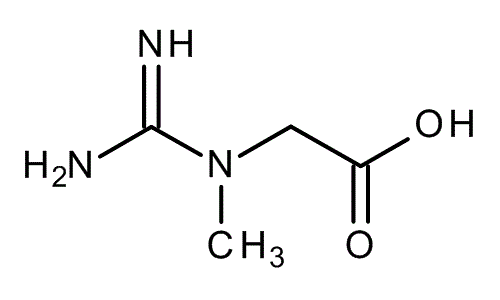
First, let’s clear this up once and for all: creatine is not some magic powder invented in a lab by mad scientists. It’s a natural compound that we all have in our bodies. Chemically, it’s a combination of three amino acids: arginine, glycine and methionine.
It was discovered in 1832 by Michel Eugène Chevreul (yes, almost 200 years of study). Creatine was isolated from skeletal muscle, but nobody had any idea what on earth it actually did for almost a whole century.
It was only in the 1920s that scientists figured out that the body could store creatine. That’s when the penny started to drop: “Wait, if the body stores this, it must be good for something important, right?” (These are the moments in history when you just want to say “OH REALLY, YOU DON’T SAY?”).
The missing piece of the puzzle only appeared in the 1960s, when the enzyme creatine kinase was discovered. That’s when they finally understood that creatine was a lead actor in the show of cellular energy metabolism, not just an extra.
But do you know when creatine really took off? After the 1992 Barcelona Olympics. Since then, it has become one of the most studied and popular supplements on the planet. And here’s the irony: almost 200 years after its discovery, some people are still afraid to take it.
Our body produces about 1-2 grams endogenously per day, mainly in the liver, pancreas and kidneys. The rest comes from the diet: half a kilo of beef or salmon has about 2 grams. We lose roughly 2 g a day through normal metabolism and try to replace it through food.
This is crucial to understand: everyone has creatine in their body. Supplementing simply tops up the muscles’ storage capacity. It’s like filling a car’s tank: you’re not inventing a new fuel, just putting more in the tank.
How Does It Work? The Cellular Energy Class You Never Had
To understand why creatine works, we need a quick lesson on energy. The body’s energy currency is ATP (adenosine triphosphate). Think of it as a fully charged battery.
When a muscle needs to contract at high intensity, whether to run, lift weights or jump, it breaks off one of ATP’s three phosphates, turning it into ADP (adenosine diphosphate), basically a “dead battery”. The problem is that muscles only store enough ATP for a few seconds of explosive effort.
That’s where creatine comes in. Stored as phosphocreatine (PCr), it acts as a “spare phosphate” ready to recharge those batteries. The enzyme creatine kinase takes the phosphate from PCr and puts it back on ADP, regenerating ATP instantly.
In short: more creatine = more phosphocreatine in reserve = greater capacity to regenerate ATP. In practice, we can do more reps, run faster and recover better between sets.
This mechanism is the basis of the ATP-PCr energy system, which fuels explosive activities for up to 10-15 seconds. Supplementation increases muscle stores by 10-40%, expanding this energy “buffer”.
But the story doesn’t stop there. Creatine’s role as an energy “buffer” goes far beyond the muscles. Other tissues with high energy demand also depend on this system to work properly.
The brain, our biggest energy consumer, also uses the creatine-ATP system to keep energy levels stable, which is essential for cognitive function. Research shows that maintaining ATP levels in brain cells through creatine supplementation may improve memory and speed up information processing (more on this later).
Creatine’s bioenergetic support is also crucial for cardiovascular function. A lower phosphocreatine-to-ATP ratio in heart muscle is associated with impaired cardiac function and heart failure. In addition, a growing body of research in immunometabolism indicates that activated T cells, which are critical for the immune response, significantly increase their creatine uptake. Although human research is still limited, this suggests that creatine’s energy-boosting properties may provide important support to the immune system, especially during periods of intense immune activation or stress.
This isn’t guesswork; it’s BASIC biochemistry (a note for every student who thinks biochemistry only exists to make the early years of med school miserable). This mechanism is why creatine’s benefits are arguably the most proven fact in ALL of sports nutrition
The Proven Benefits
Physical Performance (The Classic)
Creatine monohydrate is the undisputed king of sports nutrition, and its effectiveness is one of the most consistently proven findings in all of exercise science. Seriously, if it were a Formula 1 driver, it would be the Senna of supplements: an absolute, undisputed legend. The supplement improves performance in resistance exercise and in short, high-intensity activities lasting less than 30 seconds. The benefits become even more evident during repeated bouts of intense exercise, where the ability to regenerate ATP quickly between sets literally becomes the factor that separates those who go home happy from those who go home frustrated (can you see how important it is to control rest intervals between sets?).
A meta-analysis of the scientific literature (basically when scientists pool dozens of different studies and put together a “summary of summaries”) confirmed that creatine significantly increases both upper and lower body strength. And before someone says “but it’s just water”, the numbers don’t lie: the analysis showed an average difference of 4.43 kg in upper body strength gains and 11.35 kg in lower body strength gains in people who combined creatine supplementation with resistance training. For those who don’t speak statistics: that’s a HUGE difference.
Another analysis found that the effects are more pronounced in lab tasks such as isometric and isokinetic exercises (basically exercises where you push against a resistance that doesn’t move, like pushing a wall), with a tendency toward a larger effect in upper body exercises. Although its effects in field activities such as running and swimming may be less dramatic, the gains in strength and muscular endurance achieved through higher-quality training can translate into better sports performance. It’s like a long-term investment: it may not show up right away, but the end result pays off.
Now comes the part that separates people who actually understand this from the self-appointed gym rule-makers and Instagram commenters: the mechanisms behind creatine’s ability to drive muscle growth (hypertrophy) are multifaceted and go far beyond the simple “oh, it’s just water retention” that the misinformed love to repeat (fortunately, fewer people say this nowadays, which is great).
Supplementation increases the water content INSIDE muscle cells, creating a state of “cellular hyperhydration”. But here’s where it gets interesting: this environment not only reduces the breakdown of protein and RNA, it simultaneously promotes the synthesis of protein, DNA and RNA. This cell swelling acts as an anabolic signal, basically texting the muscle cell: “GROW ALREADY!”
In addition, creatine improves the adaptive response to resistance training by increasing satellite cell signaling and the number of myonuclei, which are essential for muscle repair and long-term growth. It also raises anabolic hormones such as IGF-1 and helps reduce myostatin, a protein that keeps trying to block new muscle growth (a topic for the future: myostatin inhibitors! Getting huge while sitting on the couch). It’s like having a molecular personal trainer working 24/7 for you.
BUT life isn’t only about lifting weights. Beyond its direct impact on performance, creatine plays a role in post-exercise recovery. Long-term use has been shown to reduce exercise-induced muscle damage, shortening recovery time and allowing people to train more often and harder. It’s like having a mechanic who gets your car ready faster after every “crash”.
This is especially relevant in rehabilitation, where supplementation has been shown to lessen muscle atrophy during periods of immobilization and to stimulate muscle hypertrophy during the strength training that follows. The practical result: patients make faster progress and spend less time “just staring at the hospital ceiling”.
Beyond the Gym: Creatine’s Cognitive and Therapeutic Potential
This part about creatine will make you rethink everything you knew about this supplement: cognitive health. The brain, just like muscle, has an enormous appetite for energy and depends on the creatine-ATP system to keep a stable supply of energy. It’s like having your own generator running 24/7.
Creatine supplementation helps brain cells keep enough ATP, supporting cognitive function, improving memory and speeding up information processing. These benefits become even more evident under conditions of high mental demand or stress, like when you stay up all night studying for that exam to make up for your lack of planning and routine. Preliminary studies indicate that supplementation may improve short-term memory and reasoning and reduce mental fatigue during demanding tasks. It’s like having an internal Red Bull, only without the side effects.
But now comes the part that will blow your mind: one of the most groundbreaking areas of research is creatine’s potential role in neurological conditions, particularly Alzheimer’s disease. A recent study, the first of its kind, investigated the effects of high-dose creatine supplementation in people with Alzheimer’s or dementia. And get this: they used 20 grams a day of creatine monohydrate over eight weeks.
The preliminary findings showed that participants had a significant 11% increase in brain creatine levels and showed moderate improvements in working memory and executive function (precisely the areas most affected by Alzheimer’s). Although the study had its limitations (a small sample and no control group), these findings are a giant step, suggesting a new therapeutic use for a supplement everyone takes to get a “pump”.
The reasoning behind it is relatively simple: by supplying the brain with more creatine, the researchers hypothesize that they can improve its energy metabolism, which is often impaired in Alzheimer’s disease. The use of a very high dose suggests that creatine uptake by the brain is more challenging than by muscle, hence the need for this higher dosage to see measurable effects.
Creatine also shows interesting potential for aging (another topic noted for the future: the difference between senescence and senility). As people age, they naturally experience a decline in muscle mass, bone mineral density and cognitive function; it’s part of the normal biological process.
Research indicates that creatine supplementation, particularly when combined with exercise (in other words, there’s no point loading up on creatine and sitting around doing nothing), may help lessen some of these age-related declines. Studies have shown beneficial effects on lean body mass, regional muscle size, bone health and functional capacity in older adults.
A relevant fact: about 70% of older adults consume less than the recommended daily amount of creatine in their diet, which is associated with poorer cognitive function and other health issues. You may notice that older people’s daily intake of animal protein drops, just as their appetite does, along with a general increase in satiety.
How Should You Take Creatine?
Which type: Creatine monohydrate. Period. It’s the most researched, the most proven and the cheapest. All the other versions (creatine HCl, Kre-Alkalyn, ethyl ester, gummies and so on) claim to be better absorbed or to cause less bloating. These claims are pure marketing and are not supported by independent research. Save your money, and if you don’t want to save it, you can always send it my way (just kidding).
Dose: 3-5 grams a day. Every day. No loading phase needed. No need to take it on an empty stomach, with juice or at a specific time. Timing is practically irrelevant. The goal is to saturate your muscles over time. Just take it consistently.
How to Take It: Mix it with water, juice, coffee or your protein shake. It doesn’t matter. The “little scoop” that comes in the tub is almost always 5 g (some companies use a 3 g scoop; just take two).
The Plain Truth: Forget all the complications people have invented around creatine. You don’t need a loading phase with 20 g a day. You don’t need to take it with a specific carbohydrate. You don’t need to time it with your workout. You don’t need to spend twice as much on a “premium” version that promises miracles (if you can, buy one with the Creapure quality seal)
It’s literally the simplest supplement in the world: 3-5 g every day, any way, any time. Done. If someone tries to convince you otherwise, they’re trying to complicate something that was meant to be simple, or to sell you something more expensive.
I won’t get into creatine gummies yet; there is evidence that heating creatine lowers its concentration… I might even write a post about it. But seriously? What a fuss.
Debunking the Myths: Safety and Side Effects
The Kidney Damage Controversy: The worry that creatine destroys the kidneys came from a single 1998 case report and from a basic confusion about how creatine metabolism works. Creatinine, a waste product of creatine metabolism, is a marker used to assess kidney function. Creatine supplementation can temporarily raise blood creatinine levels, which may alarm a doctor who doesn’t know you’re taking creatine (and here we go again, talking about lab tests).
But here’s the trick: this is a completely normal and harmless by-product of supplementation; it doesn’t mean your kidneys are frying. An ocean of scientific literature, including long-term studies of up to five years, has consistently shown that creatine supplementation does not affect kidney function in healthy people.
Obviously, if you already have kidney problems, talk to a doctor before taking any supplement. That’s common sense (or at least it should be).
The Baldness Drama: The myth that creatine causes hair loss comes from a single 2009 study in college rugby players. This study reported a 56% increase in DHT (dihydrotestosterone), a hormone linked to male pattern baldness, after seven days of creatine loading.
The logic would be: creatine raises testosterone → testosterone turns into DHT → DHT causes baldness. Sounds like it makes sense, right? There’s just one problem: this finding has never been replicated in any later research, and several other studies found no significant hormonal increases with creatine.
Baldness is primarily genetic, and the link between creatine and hair loss is weak and speculative at best. It’s the classic case of a single study being misread and amplified until it becomes “absolute truth” on Instagram/TikTok.
The Dehydration Lie: Anecdotal reports of muscle cramps and dehydration linked to creatine use are common, but they’re not backed by scientific evidence. The theory was that creatine’s effect of pulling water into muscle cells would leave less water available for temperature regulation, leading to dehydration. However, this is a tall tale based on a misunderstanding of cellular fluid dynamics.
Research has consistently failed to provide any peer-reviewed evidence supporting this claim. On the contrary, some studies have shown that creatine supplementation actually reduces the risk of muscle cramps, heat-related illness and dehydration, probably because improved cellular hydration enhances the muscle’s ability to maintain fluid balance and regulate temperature.
The Real (But Annoying) Side Effects
Although creatine is generally safe, some people, especially during the loading phase, may have minor, temporary side effects. The most common is weight gain from water retention; after all, creatine pulls water into muscle cells.
Other possible effects include gastrointestinal problems such as an upset stomach, nausea and diarrhea, especially when you take a large dose all at once. These effects can usually be avoided by using a smaller, consistent dose or by splitting the loading dose into smaller portions throughout the day. (So how about just 5 g a day? No need to reinvent the wheel?)
Basically: the only real side effects are annoying, not dangerous.
The No-Fluff Conclusion
Creatine monohydrate is simply one of the most studied and proven supplements in existence today. That’s not opinion; it’s fact. Its role in the ATP-PCr energy system is clear, and its effects on athletic performance are more than documented. The evidence is overwhelming: creatine increases strength, power and training volume consistently and safely in high-intensity activities.
But the benefits go well beyond the muscles. It also shows real potential to improve cognitive function, especially under stress, and may have a therapeutic role in neurological conditions and in aging. It literally sounds too good to be true, but it’s true anyway.
In an industry full of quackery and marketing, creatine monohydrate remains the gold standard. The scientific consensus is crystal clear: the alternative forms, despite all their promises of “superior solubility” and “fewer side effects”, have not proven more effective and cost a lot more. It’s pure marketing taking advantage of people’s naivety.
After almost 200 years since its discovery and decades of research, the conclusion is simple: creatine monohydrate works, is safe, and you should probably be taking it. The most recent research doesn’t change that, but it adds an interesting nuance: the standard 3-5 gram dose may be enough for strength and training capacity, while those who want maximum muscle gains may need more. It’s a technical detail that science is still refining, but it doesn’t change the big picture.
Creatine is safe, effective and cheap, and it goes beyond the muscles, because it also benefits the brain. It’s literally one of the few things in sports nutrition with almost universal scientific consensus. If after all this you still have doubts, or you give more weight to something you saw someone say in a video, it’s worth asking yourself why. You now know practically everything about creatine. What you do with this information is up to you.
A big hug, and see you next time!
Nering
If you’d like to know where I got ALL the information in this post, here are the references (and to you, dear student, if you use this content for an assignment or presentation, I’d be very grateful if you included me in your references):
Position Stands and Official Reviews:
- Kreider, R.B. et al. (2017) – International Society of Sports Nutrition position stand: safety and efficacy of creatine supplementation in exercise, sport, and medicine. Journal of the International Society of Sports Nutrition, 14, 18. Link
- Candow, D.G. et al. (2021) – Common questions and misconceptions about creatine supplementation: what does the scientific evidence really show? Journal of the International Society of Sports Nutrition. Link
- Kerksick, C.M. et al. (2021) – Creatine for Exercise and Sports Performance, with Recovery Considerations for Healthy Populations. Nutrients, 13(6), 1915. Link
Foundational Studies:
- Harris, R.C., Söderlund, K. & Hultman, E. (1992) – Elevation of creatine in resting and exercised muscle of normal subjects by creatine supplementation. Clinical Science, 83, 367-374. Link
- Hultman, E. et al. (1996) – Muscle creatine loading in men. Journal of Applied Physiology, 81, 232-237. Link
- Greenhaff, P.L. et al. (1994) – Effect of oral creatine supplementation on skeletal muscle phosphocreatine resynthesis. American Journal of Physiology, 266, E725-730. Link
Key Meta-Analyses:
- Branch, J.D. (2003) – Effect of creatine supplementation on body composition and performance: a meta-analysis. International Journal of Sport Nutrition and Exercise Metabolism, 13, 198-226.
- Lanhers, C. et al. (2015) – Creatine supplementation and lower limb strength performance: a systematic review and meta-analyses. Sports Medicine, 45, 1285-1294.
- Lanhers, C. et al. (2017) – Creatine supplementation and upper limb strength performance: a systematic review and meta-analysis. Sports Medicine, 47, 163-173.
- Pashayee-Khamene, F. et al. (2024) – Creatine supplementation protocols with or without training interventions on body composition: A GRADE-assessed systematic review and dose-response meta-analysis. Journal of the International Society of Sports Nutrition. Link
- Forbes, S.C. et al. (2021) – Meta-Analysis Examining the Importance of Creatine Ingestion Strategies on Lean Tissue Mass and Strength in Older Adults. Nutrients, 13, 1912.
Safety and Side Effects:
- Persky, A.M. & Rawson, E.S. (2007) – Safety of creatine supplementation. Subcellular Biochemistry, 46, 275-289.
- Lopez, R.M. et al. (2009) – Does creatine supplementation hinder exercise heat tolerance or hydration status? A systematic review with meta-analyses. Journal of Athletic Training, 44, 215-223.
- Gualano, B. et al. (2012) – In sickness and in health: the widespread application of creatine supplementation. Amino Acids, 43, 519-529.
- Jagim, A.R. et al. (2018) – Safety of Creatine Supplementation in Active Adolescents and Youth: A Brief Review. Frontiers in Nutrition, 5, 115. Link
Cognitive Function and Neuroprotection:
- Dolan, E., Gualano, B. & Rawson, E.S. (2018) – Beyond muscle: the effects of creatine supplementation on brain creatine, cognitive processing, and traumatic brain injury. European Journal of Sport Science, 7, 1-14.
- Turner, C.E., Byblow, W.D. & Gant, N. (2015) – Creatine supplementation enhances corticomotor excitability and cognitive performance during oxygen deprivation. Journal of Neuroscience, 35, 1773-1780.
- Xu, C. et al. (2024) – The effects of creatine supplementation on cognitive function in adults: a systematic review and meta-analysis. Frontiers in Nutrition, 11, 1424972. Link
- Rawson, E.S. & Venezia, A.C. (2011) – Use of creatine in the elderly and evidence for effects on cognitive function in young and old. Amino Acids, 40, 1349-1362.
- Sakellaris, G. et al. (2006) – Prevention of complications related to traumatic brain injury in children and adolescents with creatine administration: an open label randomized pilot study. Journal of Trauma, 61, 322-329.
Mechanisms of Action:
- Wallimann, T., Tokarska-Schlattner, M. & Schlattner, U. (2011) – The creatine kinase system and pleiotropic effects of creatine. Amino Acids, 40, 1271-1296.
- Schlattner, U. et al. (2016) – Cellular compartmentation of energy metabolism: Creatine kinase microcompartments and recruitment of B-type creatine kinase to specific subcellular sites. Amino Acids, 48, 1751-1774.
- Casey, A. et al. (1996) – Creatine ingestion favorably affects performance and muscle metabolism during maximal exercise in humans. American Journal of Physiology, 271, E31-E37.
- Häussinger, D. et al. (1993) – Cellular hydration state: an important determinant of protein catabolism in health and disease. Lancet, 341, 1330-1332.
Hypertrophy and Muscle Adaptations:
- Olsen, S. et al. (2006) – Creatine supplementation augments the increase in satellite cell and myonuclei number in human skeletal muscle induced by strength training. Journal of Physiology, 573, 525-534.
- Burke, D.G. et al. (2008) – Effect of creatine supplementation and resistance-exercise training on muscle insulin-like growth factor in young adults. International Journal of Sport Nutrition and Exercise Metabolism, 18, 389-398.
- Deldicque, L. et al. (2005) – Increased IGF mRNA in human skeletal muscle after creatine supplementation. Medicine and Science in Sports and Exercise, 37, 731-736.
- Willoughby, D.S. & Rosene, J. (2001) – Effects of oral creatine and resistance training on myosin heavy chain expression. Medicine and Science in Sports and Exercise, 33, 1674-1681.
Performance:
- Volek, J.S. & Rawson, E.S. (2004) – Scientific basis and practical aspects of creatine supplementation for athletes. Nutrition, 20, 609-614.
- Rawson, E.S. & Volek, J.S. (2003) – Effects of creatine supplementation and resistance training on muscle strength and weightlifting performance. Journal of Strength and Conditioning Research, 17, 822-831.
- Cox, G. et al. (2002) – Acute creatine supplementation and performance during a field test simulating match play in elite female soccer players. International Journal of Sport Nutrition and Exercise Metabolism, 12, 33-46.
- Volek, J.S. et al. (1999) – Performance and muscle fiber adaptations to creatine supplementation and heavy resistance training. Medicine and Science in Sports and Exercise, 31, 1147-1156.
Recovery and Injury Prevention:
- Cooke, M.B. et al. (2009) – Creatine supplementation enhances muscle force recovery after eccentrically-induced muscle damage in healthy individuals. Journal of the International Society of Sports Nutrition, 6, 13.
- Bassit, R.A. et al. (2010) – Effect of short-term creatine supplementation on markers of skeletal muscle damage after strenuous contractile activity. European Journal of Applied Physiology, 108, 945-955.
- Santos, R.V. et al. (2004) – The effect of creatine supplementation upon inflammatory and muscle soreness markers after a 30km race. Life Sciences, 75, 1917-1924.
- Deminice, R. et al. (2013) – Effects of creatine supplementation on oxidative stress and inflammatory markers after repeated-sprint exercise in humans. Nutrition, 29, 1127-1132.
Special Populations:
- Gualano, B. et al. (2016) – Creatine supplementation in the aging population: effects on skeletal muscle, bone and brain. Amino Acids, 48, 1793-1805.
- Smith-Ryan, A.E. et al. (2021) – Creatine Supplementation in Women’s Health: A Lifespan Perspective. Nutrients, 13, 877.
- Rawson, E.S. et al. (2002) – Differential response of muscle phosphocreatine to creatine supplementation in young and old subjects. Acta Physiologica Scandinavica, 174, 57-65.
- Chilibeck, P.D. et al. (2017) – Effect of creatine supplementation during resistance training on lean tissue mass and muscular strength in older adults: A meta-analysis. Open Access Journal of Sports Medicine, 8, 213-226.
Protocols and Timing:
- Snow, R.J. & Murphy, R.M. (2003) – Factors influencing creatine loading into human skeletal muscle. Exercise and Sport Sciences Reviews, 31, 154-158.
- Green, A.L. et al. (1996) – Carbohydrate ingestion augments skeletal muscle creatine accumulation during creatine supplementation in humans. American Journal of Physiology, 271, E821-E826.
- Antonio, J. & Ciccone, V. (2013) – The effects of pre versus post workout supplementation of creatine monohydrate on body composition and strength. Journal of the International Society of Sports Nutrition, 10, 36.
- Roberts, P.A. et al. (2016) – Creatine ingestion augments dietary carbohydrate mediated muscle glycogen supercompensation during the initial 24 h of recovery following prolonged exhaustive exercise in humans. Amino Acids, 48, 1831-1842.
Alternative Forms of Creatine:
- Jäger, R. et al. (2011) – Analysis of the efficacy, safety, and regulatory status of novel forms of creatine. Amino Acids, 40, 1369-1383.
Important Clinical Studies:
- Cribb, P.J. et al. (2007) – Effects of whey isolate, creatine and resistance training on muscle hypertrophy. Medicine and Science in Sports and Exercise, 39, 298-307.
- Kaviani, M. et al. (2018) – Creatine monohydrate supplementation during eight weeks of progressive resistance training increases strength in as little as two weeks without reducing markers of muscle damage. Journal of Sports Medicine and Physical Fitness, 59, 608-612.
- Mills, S. et al. (2020) – Effects of creatine supplementation during resistance training sessions in physically active young adults. Nutrients, 12, 1880.
- Wang, C.C. et al. (2018) – Effects of 4-Week Creatine Supplementation Combined with Complex Training on Muscle Damage and Sport Performance. Nutrients, 10, 1640.
- Parise, G. et al. (2001) – Effects of acute creatine monohydrate supplementation on leucine kinetics and mixed-muscle protein synthesis. Journal of Applied Physiology, 91, 1041-1047.
American College of Sports Medicine